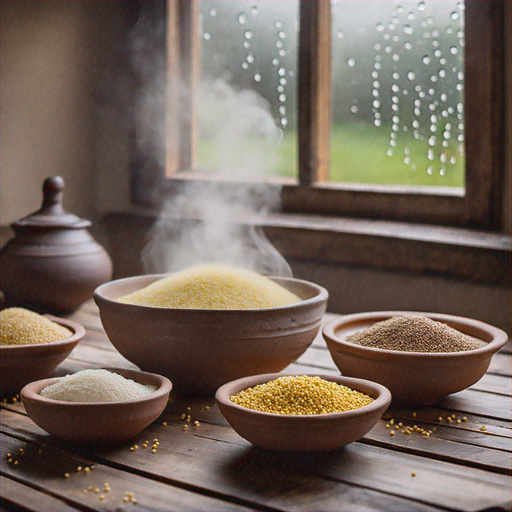
As raindrops drum against your window, your body craves foods that boost immunity and provide warmth. Monsoon season millets emerge as nature’s perfect answer – these ancient grains offer exceptional nutritional benefits while being ideally suited for rainy weather consumption.
Why Monsoon Season Millets Support Your Health
The monsoon season brings unique challenges to our health – from increased humidity to a higher risk of infections. Millets are particularly beneficial during this time because of their warming properties and impressive nutrient profile. These grains are naturally rich in antioxidants that boost your immune system when it needs it most. They’re also packed with B vitamins, which help combat the seasonal lethargy common during rainy weather.
- High fiber content aids digestion during weather changes
- Natural anti-inflammatory properties help prevent seasonal ailments
- Complex carbohydrates provide sustained energy on gloomy days
- Rich in zinc and selenium for immune system support
Different Types of Millets for Monsoon Season
Each variety of millet brings its own unique benefits during the rainy season. Understanding these differences helps you choose the right type for your needs.
Top Millet Varieties for Rainy Weather
- Pearl Millet (Bajra): Excellent for maintaining body temperature
- Finger Millet (Ragi): Rich in calcium and perfect for warm beverages
- Foxtail Millet: Light and easily digestible during humid weather
- Barnyard Millet: High in fiber and ideal for monsoon-season digestion
Cooking with Monsoon Season Millets
Preparing millets during monsoon requires specific techniques to maximize their benefits. The key is to cook them in a way that enhances their warming properties while maintaining digestibility. Start by thoroughly washing the millets and lightly roasting them before cooking to remove any moisture-induced mustiness. Create comforting dishes like millet porridge, which warms the body from within.
- Always store millets in air-tight containers during monsoon
- Add warming spices like ginger and black pepper while cooking
- Maintain a 1:2.5 ratio of millets to water for perfect consistency
- Let cooked millets rest for 5-10 minutes before serving
Storage and Preservation During Rainy Season
The increased humidity during monsoon makes proper storage crucial for maintaining millet quality. These grains can absorb moisture from the air, potentially leading to spoilage or mold growth. Use these essential storage techniques to keep your millets fresh throughout the season:
- Store in glass or steel containers with tight-fitting lids
- Add a few bay leaves to naturally prevent moisture damage
- Keep containers in a cool, dry place away from direct humidity
- Check regularly for any signs of moisture or mold
Start incorporating these versatile, nutritious grains into your monsoon diet today. Your body will thank you with better immunity, sustained energy, and improved digestion throughout the rainy season. Visit your local health food store or farmer’s market to stock up on fresh, high-quality millets and experiment with different varieties to find your favorites.