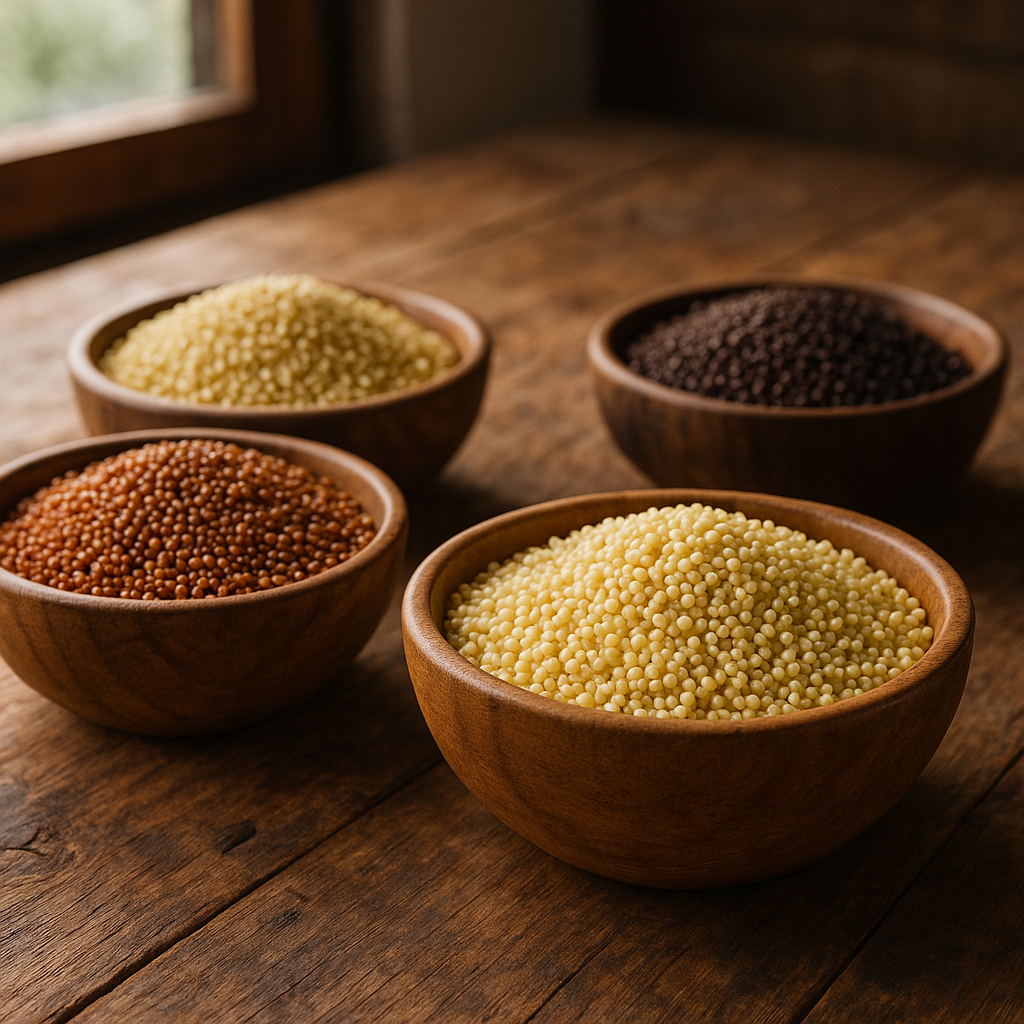
While millets are celebrated as nutritional powerhouses, the growing trend of daily millet mixing might be doing more harm than good. Recent studies suggest that combining different types of millets every day could potentially interfere with nutrient absorption and digestive processes, challenging the popular ‘more is better’ approach.
The Science Behind Daily Millet Mixing Concerns
Each type of millet contains unique anti-nutrients and enzyme inhibitors that serve as natural defense mechanisms for the grain. When multiple varieties are consumed together, these compounds can accumulate and potentially:
- Block mineral absorption, especially zinc and iron
- Interfere with protein digestion
- Increase the load on digestive enzymes
- Create competition for absorption pathways
Research indicates that the phytic acid content from different millets can combine to form stronger bonds with minerals, making them less available for absorption. This is particularly concerning for vegetarians and those relying heavily on millets for their mineral intake.
Digestive Impact of Multiple Millet Consumption
The digestive system responds differently to various types of millets due to their distinct fiber compositions and protein structures. When multiple millets are consumed simultaneously, it can lead to:
- Increased digestive stress and bloating
- Slower breakdown of nutrients
- Potential gut inflammation in sensitive individuals
- Reduced efficiency of nutrient absorption
Each millet variety requires specific digestive enzymes for optimal breakdown. Overwhelming the system with multiple types can compromise the body’s ability to extract nutrients effectively.
Better Ways to Include Millets in Your Diet
Instead of daily millet mixing, consider these evidence-based approaches:
Rotation Strategy
- Use one type of millet for 2-3 days
- Switch to another variety for the next few days
- Allow a gap of 24 hours between switching millet types
- Include non-millet grains in your rotation
This method allows your body to adjust to each millet’s unique properties and maximize nutrient absorption. It also helps identify any individual sensitivities to specific varieties.
Processing Techniques to Reduce Anti-Nutrients
Traditional food processing methods can significantly reduce the anti-nutrient content of millets and improve their nutritional availability. Essential practices include:
- Soaking for 8-12 hours before cooking
- Sprouting when appropriate
- Fermentation for certain varieties
- Proper cooking techniques for each type
These preparation methods not only enhance digestibility but also increase the bioavailability of essential nutrients. When combined with proper spacing between different millet varieties, these techniques can optimize the health benefits of millet consumption.
Who Should Be Extra Cautious with Daily Millet Mixing?
Certain individuals need to be particularly mindful about mixing millets:
- People with digestive sensitivities or IBS
- Those with thyroid conditions
- Individuals with mineral deficiencies
- Pregnant women and growing children
- People with compromised gut health
These groups should consult with healthcare providers to develop a personalized approach to millet consumption that supports their specific health needs while avoiding potential complications.
The key to healthy millet consumption lies in mindful integration rather than arbitrary mixing. Focus on quality over quantity, and pay attention to your body’s responses. Consider working with a nutritionist to develop a balanced meal plan that incorporates millets in a way that enhances rather than compromises your nutritional intake. Remember, sustainable health benefits come from informed, systematic approaches rather than following trending dietary practices blindly.