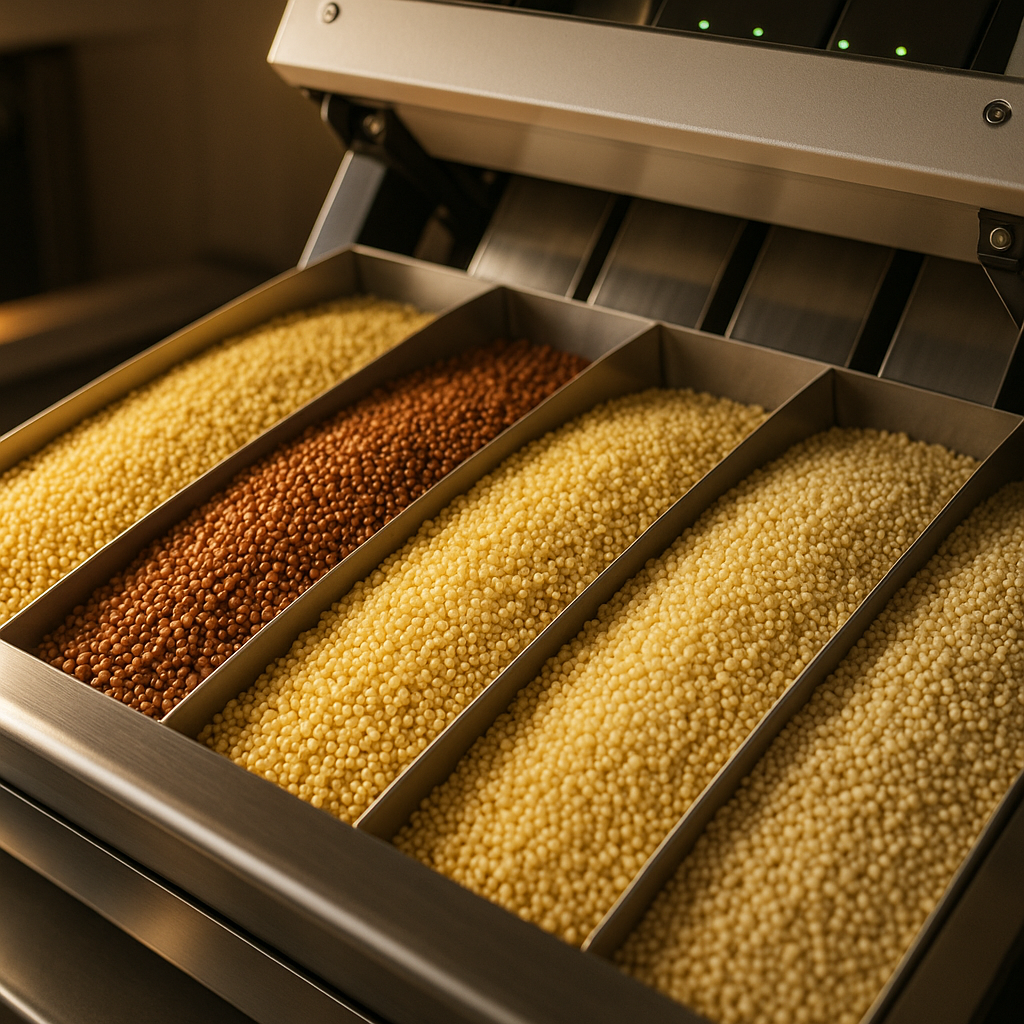
The rising popularity of millets has brought attention to a critical challenge in the agriculture industry: mixed millet problems. These issues can significantly impact grain quality, market value, and consumer satisfaction, making it essential for farmers and processors to understand and address these concerns effectively.
Understanding Mixed Millet Problems
Mixed millet problems occur when different varieties of millets become unintentionally blended during cultivation, harvesting, or processing. This mixing can result from cross-pollination in fields, contaminated equipment, or poor storage practices. The consequences include inconsistent cooking times, varied nutritional profiles, and reduced market value. Common mixing scenarios include:
- Cross-contamination during harvesting
- Storage facility contamination
- Seed mixing during sowing
- Transportation-related mixing
- Processing facility contamination
Impact on Quality and Market Value
When millets of different varieties mix, it creates several significant challenges for both producers and consumers. The inconsistency in grain size and cooking properties can lead to uneven cooking results. Additionally, mixed millets often command lower prices in the market due to:
- Irregular cooking times and textures
- Inconsistent nutritional content
- Reduced visual appeal
- Quality grading challenges
- Consumer dissatisfaction
These issues can result in significant economic losses for farmers and processors, while also affecting consumer trust in millet products.
Prevention and Quality Control Measures
Implementing effective prevention strategies is crucial for maintaining millet quality. Farmers and processors must adopt various measures throughout the production chain:
Field Management
Proper field management includes:
- Maintaining adequate isolation distances between different millet varieties
- Using certified pure seeds
- Regular field inspection and roguing
- Proper cleaning of harvesting equipment
Post-Harvest Handling
careful post-harvest handling involves:
- Dedicated storage facilities for different varieties
- Regular cleaning and maintenance of processing equipment
- Proper labeling and documentation
- Quality testing at various stages
Solutions for Existing Mixed Millet Issues
When dealing with already mixed millets, several remedial measures can help improve quality:
- Mechanical sorting using size graders
- Color sorting technology implementation
- Gravity separation techniques
- Quality testing and grading
- Proper labeling of mixed batches
These solutions, while potentially costly, can help salvage mixed batches and minimize economic losses.
Industry Standards and Regulations
The millet industry is increasingly implementing stricter quality control measures and standards. Key aspects include:
- Maximum allowable mixing percentages
- Quality grading parameters
- Testing protocols
- Certification requirements
- Storage and handling guidelines
These standards help ensure consistent quality and build consumer confidence in millet products.
Take action today to prevent mixed millet problems in your operation. Implement proper quality control measures, invest in appropriate equipment, and stay informed about industry best practices. Contact agricultural extension services or professional consultants for specific guidance tailored to your needs.