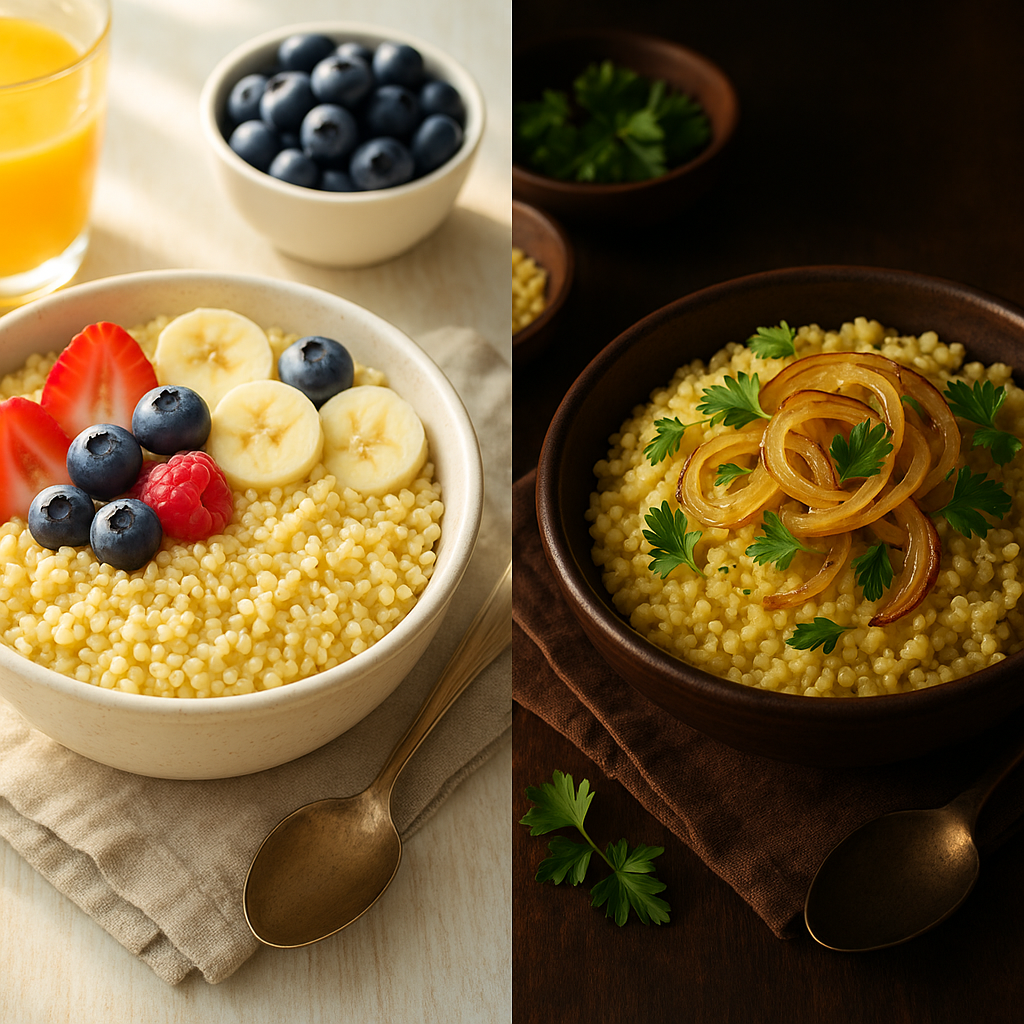
Wondering about the best time to eat millet for maximum health benefits? This ancient grain has made a remarkable comeback in modern nutrition, but timing your millet consumption can significantly impact its nutritional benefits. Whether you’re considering millet for breakfast or as a dinner option, understanding the optimal timing can help you maximize its incredible health-promoting properties.
Understanding Millet’s Nutritional Profile
Before diving into the ideal timing, it’s essential to understand what makes millet such a nutritional powerhouse. This gluten-free grain is packed with essential nutrients including:
- Complex carbohydrates for sustained energy
- High-quality protein (12-15%)
- Rich in B vitamins and minerals
- Excellent source of fiber
- Contains antioxidants and polyphenols
These nutrients are available regardless of when you consume millet, but their absorption and utilization can vary depending on the timing.
Best Time to Eat Millet: Morning Benefits
Consuming millet in the morning offers several distinct advantages. Early consumption aligns with your body’s natural circadian rhythm and metabolic peak. Morning consumption provides:
- Sustained energy throughout the day
- Better blood sugar regulation
- Enhanced nutrient absorption
- Improved digestive function
The complex carbohydrates in millet provide steady energy release, making it an ideal breakfast choice for maintaining stable blood sugar levels throughout the day. Morning consumption also takes advantage of your body’s higher metabolic rate during early hours.
Evening Consumption: Benefits and Considerations
While morning consumption has its perks, eating millet at night isn’t without benefits. Evening consumption can be particularly beneficial for:
- Better sleep quality due to tryptophan content
- Muscle recovery during rest
- Sustained energy during overnight fasting
- Blood sugar regulation during sleep
However, some people may find that consuming heavy grains in the evening can affect their sleep quality. It’s important to consider your individual digestive patterns and sleep habits.
Optimal Preparation Methods for Different Times
The preparation method can significantly impact millet’s digestibility and nutrient availability. Consider these timing-specific preparation tips:
Morning Preparation Tips
- Soak millet overnight for better digestion
- Combine with fruits and nuts for sustained energy
- Use lighter cooking methods like steaming
- Add warming spices for metabolic boost
Evening Preparation Tips
- Choose lighter cooking methods
- Combine with easily digestible vegetables
- Avoid heavy seasonings
- Consider portion size to prevent sleep disruption
Factors Affecting the Best Time to Eat Millet
The optimal timing for millet consumption can vary based on several personal factors:
- Individual metabolism and digestive patterns
- Daily activity level and exercise timing
- Personal health goals (weight management, muscle building, etc.)
- Existing health conditions
- Work schedule and lifestyle
Consider these factors when determining your ideal millet consumption schedule. Some people may benefit from splitting their millet intake between morning and evening meals.
Ready to incorporate millet into your daily routine? Start by experimenting with different timing patterns while paying attention to your body’s response. Remember to prepare it properly and combine it with complementary foods for optimal benefits. Consider consulting with a nutrition professional to create a personalized plan that aligns with your health goals and lifestyle needs.