Switching to a millet diet seemed like the perfect solution for your weight loss journey, but the scale hasn’t budged. You’re not alone – many people make common millet diet mistakes that sabotage their weight loss efforts. Understanding why your millet-based meals aren’t delivering the expected results can help you make the necessary adjustments for success.
Overlooking Portion Control with Millet Diet
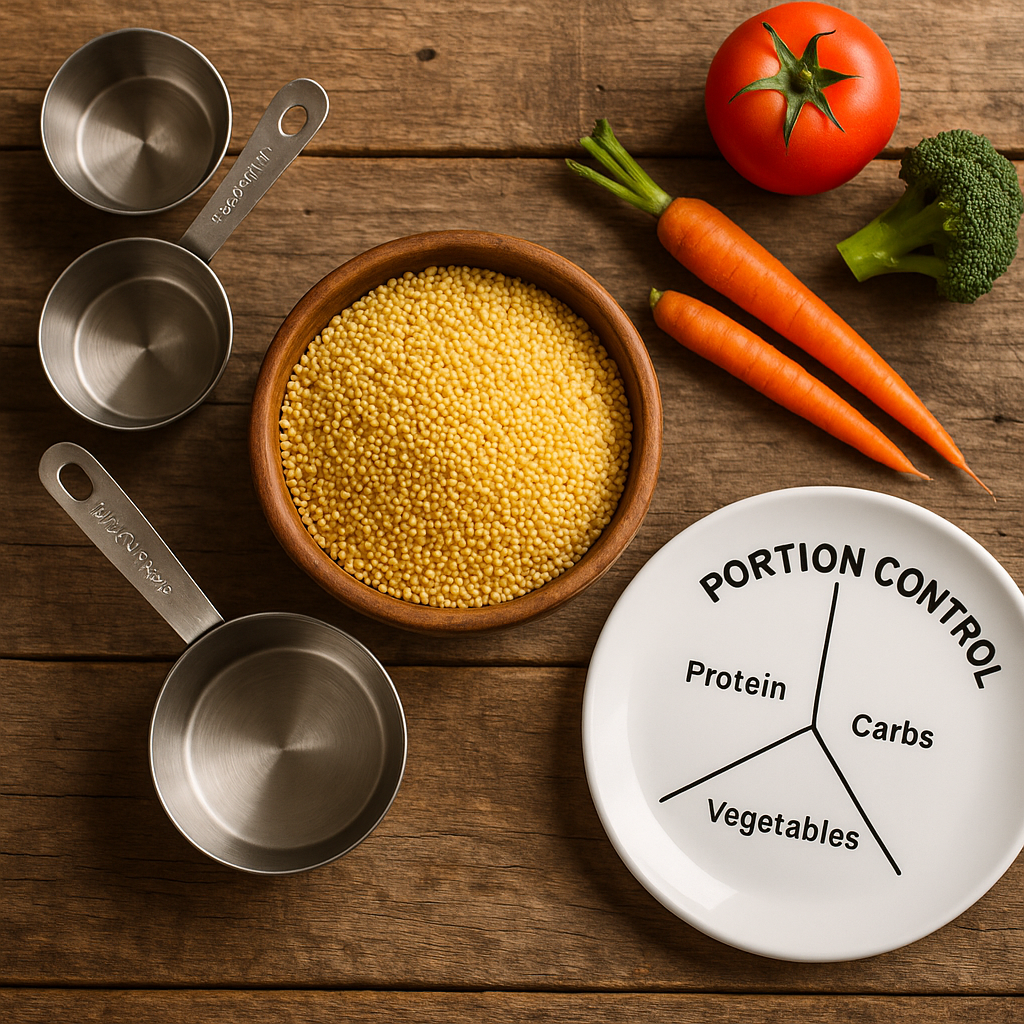
While millet is indeed a nutritious whole grain, it’s still calorie-dense. Many people assume that because it’s healthy, they can eat unlimited portions. A single cup of cooked millet contains approximately 207 calories, and overconsumption can lead to a caloric surplus. To maintain proper portion control:
- Use measuring cups or a kitchen scale to track serving sizes
- Limit millet portions to ½-1 cup per meal
- Fill half your plate with vegetables
- Include lean protein sources to increase satiety
Improper Millet Diet Preparation Methods
The way you prepare millet can significantly impact its nutritional value and weight loss potential. Many people unknowingly add excessive calories during cooking. Common preparation mistakes include:
- Using too much oil or butter when cooking
- Adding high-calorie toppings and sweeteners
- Not soaking millet before cooking, which reduces nutrient absorption
- Overcooking, which can decrease fiber content
Unbalanced Nutrient Distribution
A successful millet diet for weight loss requires proper nutrient balance. Simply replacing all meals with millet isn’t effective. Your body needs a variety of nutrients from different food sources to maintain metabolic health and support weight loss.
Essential Nutrients Often Missing
When following a millet-heavy diet, people frequently miss out on:
- High-quality protein sources
- Essential fatty acids
- Various micronutrients
- Adequate fiber from diverse sources
Inconsistent Meal Timing with Millet Diet
Even with healthy millet-based meals, irregular eating patterns can hinder weight loss. Skipping meals or eating at inconsistent times can slow metabolism and lead to overeating. Establish a consistent eating schedule that includes:
- Regular breakfast within an hour of waking
- Balanced meals every 3-4 hours
- Proper pre and post-workout nutrition
- Adequate hydration throughout the day
Neglecting Exercise While on Millet Diet
Many people focus solely on dietary changes and forget that successful weight loss requires both proper nutrition and regular physical activity. Simply eating millet without exercise won’t optimize your weight loss results. Incorporate a balanced exercise routine including:
- Regular strength training sessions
- Cardiovascular exercises
- Flexibility and mobility work
- Active recovery days
Ready to transform your millet diet into an effective weight loss tool? Start by implementing these corrections to your current routine. Focus on portion control, proper preparation methods, and maintaining a balanced nutrient profile. Remember to combine your improved diet with regular exercise and consistent meal timing. For personalized guidance, consider consulting with a registered dietitian who can help optimize your millet-based meal plan for maximum weight loss success.