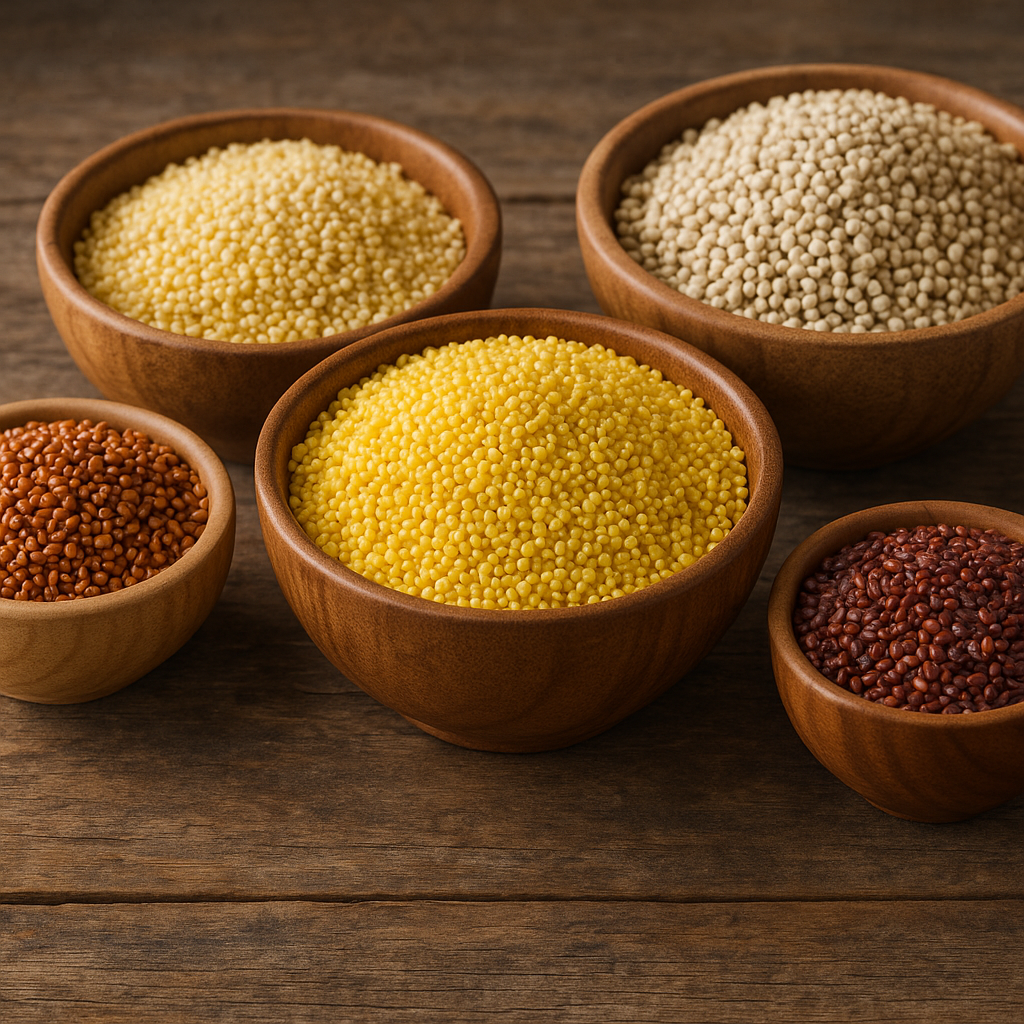
The growing popularity of millets has sparked an important question among health-conscious individuals: should you stick to one type of millet or practice millet rotation in your diet? Understanding the benefits and potential drawbacks of millet rotation can significantly impact your nutritional intake and overall health.
Why Millet Rotation Matters for Nutrition
Millet rotation is essential because each variety offers unique nutritional benefits. For instance, finger millet excels in calcium content, while pearl millet is rich in iron. Foxtail millet provides exceptional levels of minerals, and barnyard millet is known for its fiber content. By rotating different millets, you create a more comprehensive nutrient profile in your diet.
Here are the key nutritional advantages of different millets:
- Pearl Millet: High in iron, protein, and zinc
- Finger Millet: Excellent source of calcium and amino acids
- Foxtail Millet: Rich in minerals and antioxidants
- Barnyard Millet: High in fiber and phosphorus
- Little Millet: Good source of B-vitamins and minerals
Potential Risks of Eating the Same Millet Daily
Consuming the same millet variety every day might lead to certain nutritional imbalances. Each millet contains specific anti-nutrients that, while generally safe in moderation, could potentially cause issues when consumed in large quantities consistently. Additionally, relying on a single variety means missing out on the diverse benefits other millets offer.
Consider these potential concerns:
- Risk of nutrient deficiencies from limited variety
- Possible buildup of anti-nutrients
- Digestive system adaptation issues
- Taste fatigue and reduced dietary compliance
Benefits of a Varied Millet Rotation Plan
Implementing a millet rotation strategy can dramatically enhance your nutritional intake while preventing potential drawbacks of single-millet consumption. Regular rotation helps maintain dietary interest, ensures broader nutrient coverage, and may improve overall health outcomes.
How to Create an Effective Rotation Schedule
A well-planned rotation schedule might include:
- Alternate between 2-3 different millets weekly
- Include both major and minor millet varieties
- Consider seasonal availability and local options
- Match millet types to specific nutritional needs
Practical Tips for Implementing Millet Rotation
Successfully incorporating multiple millets into your diet requires careful planning and preparation. Start by purchasing small quantities of different varieties and experiment with various cooking methods. Keep track of how your body responds to each type and adjust accordingly. Consider these practical approaches:
- Begin with two alternating varieties
- Gradually introduce new types monthly
- Store different millets properly to maintain freshness
- Learn variety-specific cooking techniques
- Combine different millets in single dishes
Ready to enhance your nutritional intake through mindful millet consumption? Start your millet rotation journey today by incorporating at least three different varieties into your weekly meal plan. Remember to listen to your body and adjust the rotation based on your personal health needs and preferences.