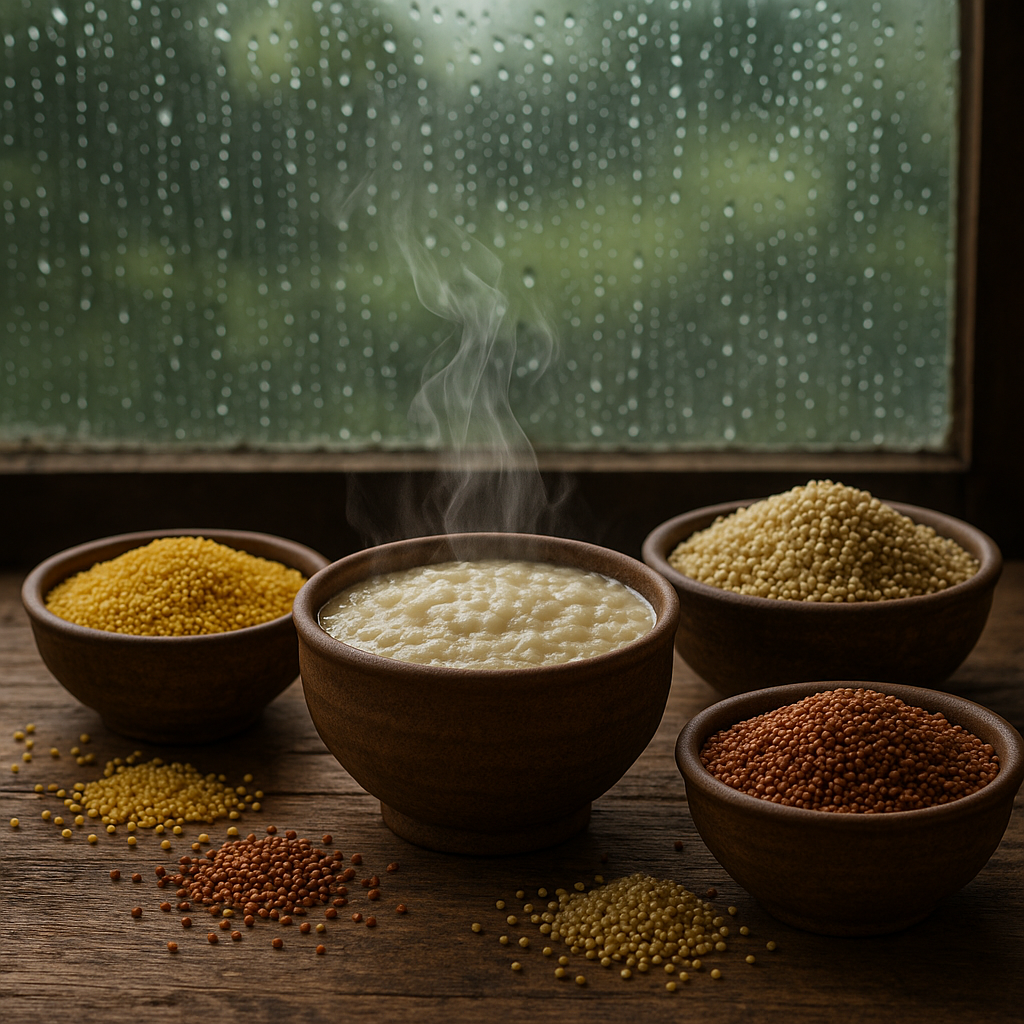
As monsoon clouds gather and humidity rises, maintaining good digestion becomes crucial for overall health. Digestive millets emerge as nature’s answer to monsoon-related digestive issues, offering both comfort and nutrition during these wet months. These ancient grains have regained popularity for their remarkable ability to support gut health while providing essential nutrients.
Why Choose Digestive Millets During Monsoon
The rainy season brings unique challenges to our digestive system. Higher humidity levels can slow down digestion and create an environment conducive to bacterial growth. Digestive millets are particularly beneficial during this time because they are:
- Naturally warming for the body
- Rich in dietary fiber
- Easy to digest
- Loaded with essential minerals
- Resistant to fungal growth
These properties make them ideal for maintaining optimal digestive health during monsoon months.
Top 5 Digestive Millets for Monsoon Season
Each millet variety offers unique benefits for digestive health during the rainy season:
- Pearl Millet (Bajra): High in zinc and iron, excellent for boosting immunity
- Finger Millet (Ragi): Rich in calcium and aids in maintaining gut flora
- Barnyard Millet: Low glycemic index and high fiber content
- Foxtail Millet: Contains probiotics that support digestive health
- Little Millet: Easy to digest and high in B-complex vitamins
Best Ways to Prepare Digestive Millets
Proper preparation enhances the digestibility of millets. Follow these methods for maximum benefits:
Traditional Preparation Methods
- Soaking: Soak millets for 6-8 hours before cooking
- Sprouting: Germinate for 24-48 hours to increase nutrient availability
- Fermentation: Traditional method to improve digestibility
- Light roasting: Enhances flavor and reduces anti-nutrients
Combine these methods with seasonal vegetables and spices for complete nutrition.
Timing and Portion Control with Millets
During monsoon, it’s crucial to consume millets at the right time and in appropriate quantities. Morning consumption is ideal as the body’s digestive fire is strongest. Start with small portions of 30-50 grams per meal and gradually increase based on your comfort level. Avoid eating millets late at night when digestion is naturally slower.
Combining Millets with Monsoon Foods
Create balanced meals by pairing millets with other monsoon-friendly foods:
- Add warming spices like ginger and turmeric
- Combine with seasonal vegetables
- Include protein sources like legumes
- Add ghee or coconut oil for better nutrient absorption
- Include probiotic accompaniments
These combinations enhance both taste and digestive benefits.
Take the first step toward better monsoon health by incorporating these digestive millets into your daily diet. Start with small portions, experiment with different preparations, and discover which combinations work best for your digestive system. Remember, consistency is key to experiencing the full benefits of these nutritious grains.